Retail operations hinge on execution. You can have strong products, a solid supply chain, and compelling marketing, but if execution in the store breaks down, everything else suffers. And often, that breakdown isn’t loud or obvious. It’s quiet. Slow. Operational drag caused by one consistent culprit: training gaps.
Training is the foundation of in-store consistency. When teams aren’t trained equally, they won’t execute equally. One associate follows planograms exactly. Another guesses. One knows how to set up a feature display. Another wings it. These small inconsistencies don’t just confuse shoppers. They weaken performance metrics and cause preventable revenue loss.
The worst part? These gaps often go unnoticed. Managers assume everyone is on the same page. They assume their team “gets it.” But the gap between assumption and reality is where performance erodes.
This is where strategy meets reality. An effective retail merchandising strategy is only as good as its frontline execution. You can have a brilliant rollout plan, but if your team can’t execute it at the shelf level, the strategy dies on arrival.
Retail Merchandising Strategy Only Works If It’s Understood
Strategy is not self-executing. It requires clear communication, hands-on training, and constant reinforcement. You can’t email a merchandising update and assume it’s understood, much less executed correctly.
The gap starts with onboarding. Too many retail associates are tossed into the store with a crash course at best. There’s no standard baseline. Some learn from managers, others from coworkers, others by trial and error. This creates variation in how tasks are performed, which means inconsistent experiences for customers and unpredictable outcomes for brands.
Even experienced staff can drift. New promotions, new layouts,and new expectations all require refreshers. Without repetition and feedback, standards fade. Eventually, the store runs on habits, not policies.
Effective retail merchandising strategy demands that the floor team knows not only what to do but how and why. That level of clarity requires systems that go beyond manuals or memos. It calls for real-time, verifiable training and reinforcement.
Data Shows What Training Missed
Managers often rely on visual checks or secondhand reports to gauge store execution. But that leaves a lot of room for error. An area might “look fine” but still be out of compliance. Stock might be “on the floor” but not properly positioned. The associate “knew the plan” but didn’t follow it fully.
This is where data becomes essential. Objective, real-time data doesn’t care about assumptions. It doesn’t rely on someone’s opinion. It shows what’s actually happening, shelf by shelf, task by task.
When you track merchandising execution at the granular level, you start to see patterns. Certain stores consistently miss the same steps. Certain staff repeatedly skip processes. That isn’t a discipline issue; it’s a training issue.
Using that data, brands can target their interventions. You stop wasting time retraining everyone on everything. Instead, you focus on where the breakdowns are really happening. That’s how you close execution gaps. Not with more meetings, but with better targeting.
Merchandising Execution Audit Brings Reality Into Focus
Too often, audits are reactive. Something goes wrong, so management investigates. But a proactive merchandising execution audit flips the script. It uses structured, routine check-ins to validate performance. Not occasionally. Constantly.
A merchandising execution audit helps isolate where the process is breaking. Is it a specific location? A certain shift? A repeated misstep in a display rollout? These aren’t insights you get from gut feel. They come from structured data collection and pattern recognition.
When done consistently, these audits become a feedback loop. Staff know someone’s checking, so they stay alert. Managers get clean data, so they stop guessing. And corporate gets insights that help refine both the strategy and the training that supports it.
Most importantly, the audit highlights discrepancies between assumed knowledge and actual behavior. It exposes when someone didn’t get the memo, or when they got it but misunderstood it. That’s the kind of clarity that leads to course correction, not blame.
Fix the System, Not Just the Symptoms
The mistake many brands make is treating mistakes as one-off problems. A broken display. A mispriced item. They fix it, move on, and wait for the next fire to put out. But most execution failures are symptoms of deeper training or communication flaws.
Fixing the system means building feedback into the process. If someone misses a display setup, they don’t just fix it. They explain what went wrong and learn the correct process. If a new planogram isn’t followed, the team is retrained, not just reminded. That difference in response shapes future performance.
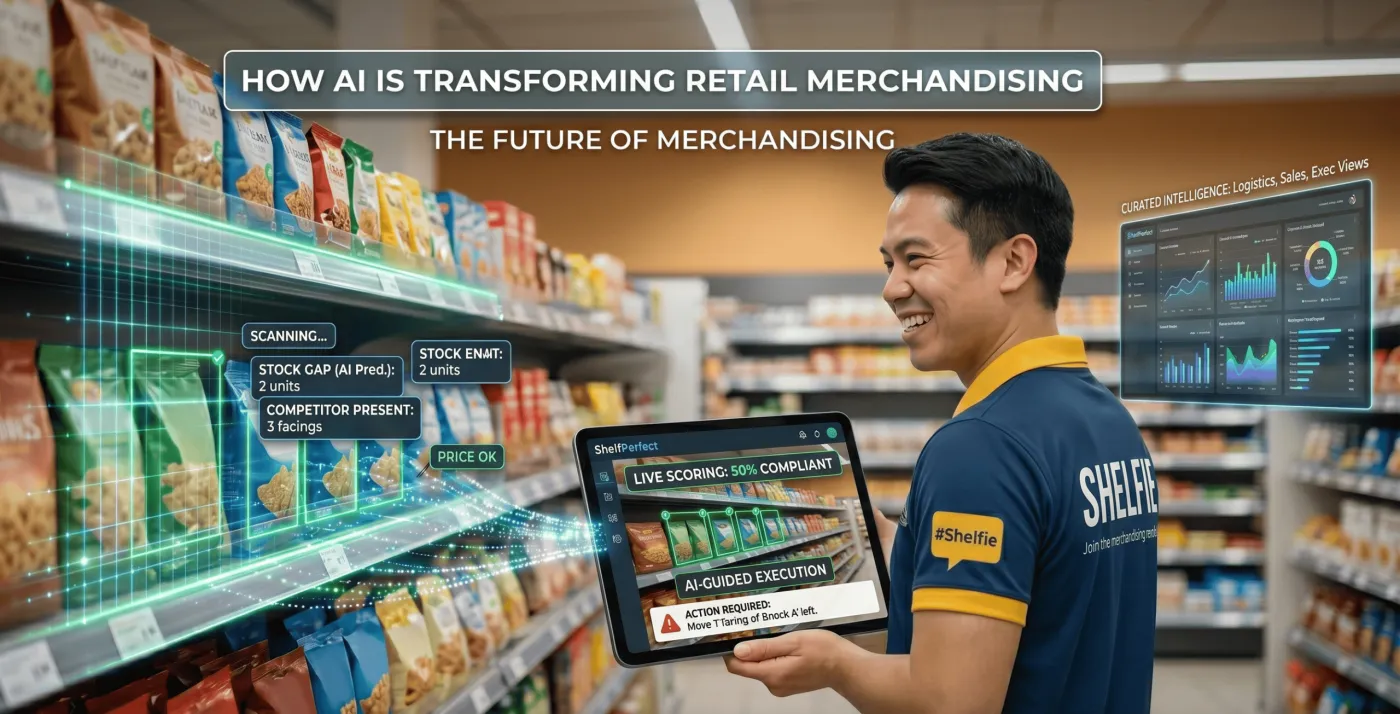
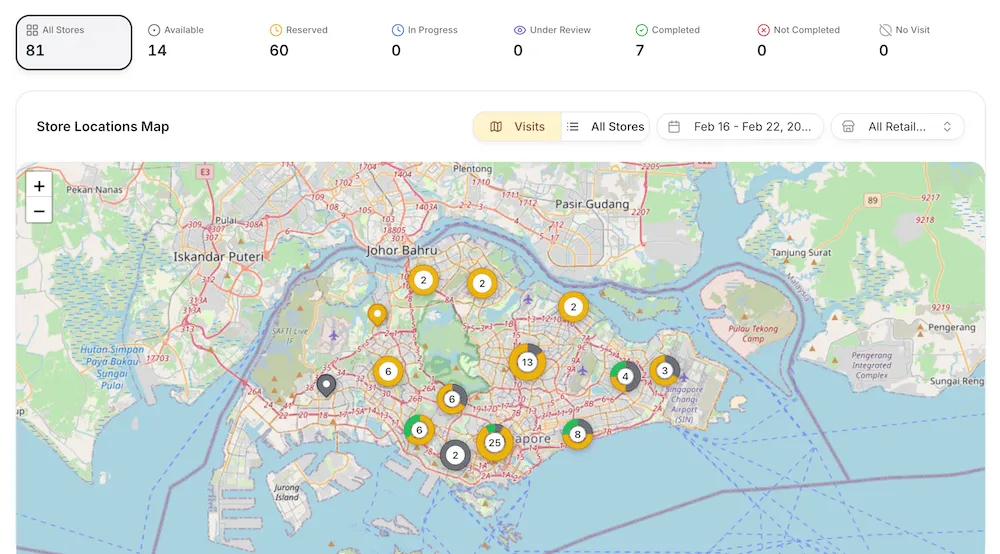
It also requires better tools. Relying on memory or printed guides doesn’t cut it. Modern retail needs mobile checklists, image capture, task tracking, and store-level dashboards that show who’s doing what, where, and how well. That’s how you build accountability.
Data doesn’t just fix mistakes. It helps prevent them. Because once your team sees patterns, they can correct behavior before it becomes a habit.
You can’t fix what you don’t measure. And you can’t measure if you don’t track.
Retail teams that blend smart tools with smarter training don’t just execute better. They improve faster. They spot weak links. They reinforce the right behaviors. And over time, they build a culture that doesn’t rely on reminders, it runs on precision.
ShelfPerfect provides retail insights by combining in-store merchandisers with AI data analytics to become your eyes, hands and ears on the store level. Learn How it Works
See your own shelves in the platform
We will show you all the features in a simple 10-minute demo.